
Bat Removal Services in Northwest New Jersey
Veteran and Senior Discounts | Warranties Available | Free Quotes
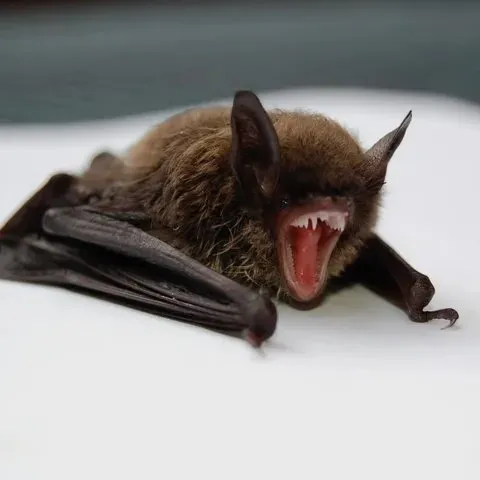
Need expert bat removal that protects both your home and local wildlife? Affordable Pest Solutions LLC provides comprehensive bat exclusion services throughout Morris, Sussex, and Warren Counties. Our approach combines structural expertise with regulatory compliance to deliver permanent solutions.
Professional Bat Control Services Across Northwest NJ
Bat removal in New Jersey is a specialized wildlife management service that focuses on the humane exclusion of bat colonies from residential and commercial structures while ensuring full compliance with state conservation regulations. Under guidelines established by the New Jersey Division of Fish & Wildlife, all bat exclusion work must be performed outside the maternal colony season—typically May 1 through July 31—when flightless pups occupy attics, wall voids, and other roosting sites. Professional bat removal involves a multi-step process: forensic inspection to identify entry points and colony size, installation of one-way excluder devices that allow bats to exit but not re-enter, permanent structural sealing of all potential access points, and thorough sanitization to eliminate guano and associated health hazards.
Understanding New Jersey’s Bat Species & Behavior
Northwest New Jersey serves as prime habitat for two dominant bat species: the Big Brown Bat (Eptesicus fuscus) and the Little Brown Bat (Myotis lucifugus). Both species are insectivorous and provide significant ecological benefits by consuming thousands of mosquitoes and agricultural pests nightly. However, these same bats frequently colonize human structures when natural roosting sites become scarce.
Why Northwest NJ Architecture Attracts Bat Colonies
The building styles prevalent throughout Morris, Sussex, and Warren Counties create ideal roosting conditions. Victorian and Colonial homes—common in towns like Chester, Mendham, and Washington—feature complex rooflines with slate tiles, decorative eaves, and intricate fascia boards that create numerous entry points. Bats require openings as small as 3/8 of an inch to access attic spaces, and the craftsmanship of historic homes often includes gaps at ridge vents, soffit intersections, and gable vents.
Seasonal lake properties around Lake Hopatcong and Lake Mohawk present additional vulnerabilities. These structures often remain unoccupied for extended periods, allowing bat colonies to establish maternal roosts without disturbance. Ridge vents on cabin-style homes provide direct access to warm, dark attic spaces that mimic natural cave environments. The wooded terrain surrounding these properties ensures abundant insect populations, making the area even more attractive to foraging bats.
Bat colonies exhibit strong site fidelity, meaning once a structure has been colonized, bats will return year after year unless permanent exclusion measures are implemented. Females form maternal colonies in spring, with each bat producing one pup per season. These colonies can range from a dozen individuals in residential attics to several hundred in larger commercial structures.
The NJ DEP ‘Safe Dates’ Calendar: When Bat Work Is Legal
New Jersey wildlife regulations establish strict seasonal restrictions on bat exclusion work to protect maternal colonies during the breeding and rearing season. Understanding these “safe dates” is critical for both legal compliance and humane treatment of protected wildlife.
The Legal Work Windows
The New Jersey Division of Fish & Wildlife designates two primary periods when bat exclusion is permitted:
Spring Window: April 1 – April 30
This brief four-week period occurs after bats emerge from winter hibernation but before females establish maternal colonies and give birth. Exclusion work during this window must be completed quickly, as pregnant females begin forming nursery colonies in early May.
Fall Window: August 1 – October 15
This extended window begins after pups have reached flight age and can exit structures independently. It concludes before bats enter hibernation mode and become torpid, making exclusion ineffective and potentially fatal.
The Blackout Period: May 1 – July 31
During these critical months, bat exclusion work is prohibited throughout New Jersey. Female bats give birth in late May or early June, and pups remain flightless for 3-6 weeks. Sealing entry points during this period traps non-volant pups inside structures, resulting in their death and creating severe odor problems as carcasses decompose within walls and ceilings.
Reputable wildlife control operators will refuse service requests during the blackout period, even if homeowners insist on immediate action. Companies that offer bat removal during maternal season either lack proper training or are willing to violate state conservation laws—both serious red flags.
Emergency Exceptions
The only scenario that warrants intervention during blackout dates is when a single bat enters living spaces and poses immediate rabies exposure risk. In these cases, the individual bat may be safely captured and removed, but colony exclusion work must still wait until August.
How Bat Exclusion Works: The One-Way Exit Method
Professional bat removal relies on exclusion rather than trapping or extermination. This approach is both more humane and more effective, as it addresses the root cause—structural access points—rather than simply removing individual animals.
Phase 1: The Forensic Inspection
Effective exclusion begins with a comprehensive structural assessment. Our certified technicians conduct both exterior and interior inspections to identify all potential entry points and assess colony size. Key indicators include:
Rub Marks: Bats repeatedly use the same entry points, and the oils from their fur create dark sebum stains around gaps and openings. These marks appear as brownish-black discoloration on siding, fascia boards, and around vents.
Guano Accumulation: Bat droppings are distinct from mouse feces—they are slightly larger, more granular, and contain visible insect fragments. Fresh guano appears shiny due to moisture content, while older deposits become dry and crumbly. Accumulation patterns help identify primary roosting locations within attic spaces.
Auditory Evidence: During evening inspections, technicians listen for the high-pitched vocalizations and scratching sounds that indicate active colonies. Dawn and dusk observations reveal exit and entry patterns.
Phase 2: Excluder Valve Installation
Once primary entry points are identified, one-way excluder devices are installed. These specialized valves—typically constructed from flexible mesh tubing or rigid plastic cones—allow bats to exit during their nightly foraging flights but prevent re-entry. Bats exit the structure at dusk, and upon return before dawn, they find their former entry point blocked.
Excluder devices must remain in place for a minimum of 3-7 consecutive nights to ensure all colony members have exited. Weather conditions, temperature, and insect availability all influence bat activity, so exclusion timelines vary by project.
Phase 3: Permanent Structural Sealing
After confirming the structure is bat-free, all entry points are permanently sealed using professional-grade materials. This includes:
- Heavy-gauge galvanized mesh for vent covers and larger openings
- Polyurethane foam for gaps in soffits and fascia (followed by exterior-grade caulk)
- Copper mesh for areas requiring both durability and aesthetic considerations
- Ridge vent modifications using bat-proof screening that maintains attic ventilation
Sealing work must be thorough—missing even a single 3/8-inch gap allows re-colonization. Our structural warranty guarantees that sealed entry points remain bat-proof, with annual inspection options available through our 365 Protection Plan.
Phase 4: Sanitization & Remediation
Bat guano contains fungal spores that cause histoplasmosis, a respiratory illness that can become severe in immunocompromised individuals. Professional remediation involves HEPA-filtered vacuuming to remove all guano and contaminated insulation, followed by antimicrobial treatments to neutralize pathogens and eliminate odors. Heavily soiled insulation is removed and replaced to restore attic energy efficiency and air quality.
Health Risks: Histoplasmosis & Rabies in Northwest NJ
While bats provide valuable ecosystem services, their presence in occupied structures creates legitimate health concerns that warrant professional intervention.
Histoplasmosis: The Guano Threat
Histoplasma capsulatum is a fungus that thrives in nitrogen-rich environments, particularly accumulated bat and bird droppings. When dried guano is disturbed—through attic storage activities, HVAC airflow, or amateur cleanup attempts—fungal spores become airborne and can be inhaled deep into lung tissue.
Most healthy adults experience mild flu-like symptoms or remain asymptomatic after exposure. However, individuals with compromised immune systems, chronic respiratory conditions, or advanced age face risk of disseminated histoplasmosis, which can affect multiple organ systems and require aggressive antifungal treatment.
Professional remediation teams use respiratory protection, containment protocols, and HEPA filtration to prevent spore dispersal during cleanup operations. Homeowners should never attempt to remove large guano accumulations without proper equipment and training.
Rabies: Low Incidence, High Consequence
Bats are the primary rabies vector in New Jersey, accounting for the majority of confirmed animal rabies cases submitted to state laboratories. However, actual transmission to humans remains extremely rare—typically fewer than one case per year nationwide. Rabies exposure occurs through bites or scratches, not through airborne transmission or proximity to roosting bats.
The risk increases when homeowners attempt DIY bat removal and handle live animals without proper protective equipment. A bat cornered in living spaces may bite in self-defense, and bat teeth are small enough that bite wounds may go unnoticed, particularly in children or sleeping adults.
Any direct contact with a bat warrants immediate medical consultation. Rabies post-exposure prophylaxis is nearly 100% effective when administered promptly but becomes ineffective once neurological symptoms appear. This is why professional bat removal services emphasize hands-off exclusion methods that eliminate human-wildlife contact.
The Structural Vulnerabilities of Morris, Sussex & Warren County Homes
Understanding why certain building types attract bat colonies helps homeowners implement preventive measures and recognize early warning signs.
Historic Victorian & Colonial Architecture
Morris County communities like Morristown, Madison, and Chatham feature extensive Victorian-era housing stock built between 1870 and 1920. These homes showcase ornate woodwork, multi-gabled rooflines, and decorative trim—all of which create numerous bat entry points as wood ages and gaps develop.
Slate roofing, while durable, develops lifting and cracking over decades. The space between individual slate tiles and the underlayment provides ideal bat access. Similarly, decorative corbels, brackets, and frieze boards develop shrinkage gaps that are invisible from ground level but easily exploited by roosting bats.
Lake Properties & Seasonal Cabins
Sussex and Warren Counties contain numerous seasonal properties around Lake Hopatcong, Lake Mohawk, Swartswood Lake, and other recreational waterways. These structures often feature:
- Extended vacancy periods that allow undisturbed colony establishment
- Ridge vents and gable vents that provide direct attic access
- Cedar shake siding that warps and creates entry gaps
- Proximity to forested areas with abundant insect populations
Seasonal homeowners often discover bat colonies during spring opening or fall closing, when activity in the structure disturbs established roosts. By this point, colonies may have occupied the space for multiple seasons.
Converted Barns & Outbuildings
Rural properties throughout Northwest NJ frequently include converted barns, carriage houses, and agricultural outbuildings repurposed as workshops, studios, or guest quarters. These structures were never designed to exclude wildlife and typically feature:
- Large gaps at eaves and roof transitions
- Ventilation louvers without screening
- Original board-and-batten siding with shrinkage gaps
Barn conversions require comprehensive exclusion strategies that balance historic preservation with effective wildlife barriers.
Attic Remediation: Sanitization & Insulation Replacement
Bat exclusion addresses the wildlife intrusion, but restoring attic spaces to safe, functional condition requires additional remediation work.
HEPA Vacuuming Protocols
Standard household or shop vacuums lack the filtration necessary to contain histoplasmosis spores. Professional remediation teams use HEPA-filtered (High-Efficiency Particulate Air) vacuums rated to capture 99.97% of particles 0.3 microns or larger. This prevents spore dispersal during guano removal.
Technicians wear respirators with P100 filters, disposable coveralls, and gloves to prevent direct contact and inhalation exposure. Contaminated materials are double-bagged and disposed of according to local waste management regulations.
Enzyme Treatments for Odor & Pathogens
After physical removal of guano, affected surfaces are treated with enzyme-based cleaners that break down organic matter and neutralize odors. These treatments are particularly important for wooden structural members that have absorbed urine and guano residue over multiple seasons.
Antimicrobial foggers may be used in heavily contaminated spaces to reduce bacterial and fungal loads before reconstruction begins.
Insulation Replacement
Bat urine and guano compress and contaminate attic insulation, reducing its R-value and creating persistent odor problems. In severe cases, complete insulation removal and replacement is the only effective solution. This also provides an opportunity to upgrade to modern insulation standards, improving home energy efficiency.
Insurance Documentation Support
Many homeowners insurance policies cover the cost of damage remediation (insulation replacement, structural cleaning) but exclude the cost of wildlife removal itself. We provide detailed documentation, photographs, and scope-of-work reports to support insurance claims, helping homeowners maximize their coverage benefits.
All Pest Control Services
Explore our complete range of wildlife exclusion and pest management solutions designed to protect Northwest New Jersey homes and businesses.
Explore Our Related Services:
- Schedule a Rodent Inspection – Professional remediation and future prevention
- Explore Our Wildlife Exclusion & Proofing Services – Permanent structural sealing for all entry points
Learn About Our Yearly 365 Protection Plan – Ongoing monitoring and preventive maintenance
We serve the following areas:



The Clock Is Ticking on Legal Bat Removal
Spring and fall exclusion windows are brief—and missing them means living with bats for months during the blackout period. Don’t let guano contamination and structural damage compound. Click HERE to learn more about legal bat removal in New Jersey.
Call (973) 229-9547 for Immediate Inspection
We provide compliant exclusion, structural warranties, and full attic remediation. Serving Morris, Sussex & Warren Counties with specialized expertise in Victorian homes and lakefront properties.
Frequently Asked Questions About Bat Removal in NJ
When is it legal to remove bats in New Jersey?
Bat exclusion work is legal during two windows: April 1–30 (spring) and August 1–October 15 (fall). All exclusion work is prohibited May 1–July 31 to protect maternal colonies and flightless pups. Reputable wildlife control companies will not perform colony exclusion during the blackout period, as doing so violates NJ Division of Fish & Wildlife regulations and results in inhumane treatment of protected species.
How do I know if I have bats in my attic?
Common indicators include scratching or squeaking sounds at dusk and dawn, accumulation of small dark droppings (guano) in attic spaces or on exterior walls below entry points, brown sebum stains around gaps in fascia or siding, and visual observation of bats exiting the structure at sunset. Guano has a distinct appearance—slightly larger than mouse droppings, granular texture, and containing visible insect fragments.
Can I remove bats myself, or do I need a professional?
DIY bat removal is strongly discouraged due to multiple risk factors. Handling bats creates rabies exposure risk, disturbing guano releases histoplasmosis spores into the air, and working on ladders and rooflines presents fall hazards. Additionally, inexperienced attempts often fail to identify all entry points, resulting in incomplete exclusion and rapid re-colonization. Professional wildlife control operators have the training, equipment, and insurance necessary to perform safe, effective, and legally compliant exclusion work.
How long does the bat exclusion process take?
Initial inspection and assessment typically require 15-30 minutes. The initial exclusion visit takes 1-3 hours, depending on the number of entry points and the work required.
Will bats return after exclusion?
When exclusion is performed correctly—with all entry points permanently sealed using professional-grade materials—bats cannot re-enter the structure. However, incomplete sealing or use of improper materials allows re-colonization. This is why professional exclusion services include structural warranties guaranteeing that sealed entry points remain bat-proof. Annual inspections identify any new vulnerabilities before they become access points.
Does homeowners insurance cover bat removal and damage?
Coverage varies by policy, but most homeowners insurance excludes the cost of wildlife removal (the exclusion service itself) while covering damage remediation costs such as insulation replacement, structural cleaning, and repairs to damaged building materials. Review your policy’s wildlife or vermin exclusions, and contact your insurance agent before scheduling work. Professional wildlife control companies provide detailed documentation to support insurance claims for covered remediation expenses.
What diseases can bats transmit to humans?
The two primary health concerns are rabies and histoplasmosis. Rabies is a viral infection transmitted through bites or scratches from infected animals. While bat rabies cases are rare, the disease is nearly always fatal once symptoms appear, making post-exposure prophylaxis critical after any direct bat contact. Histoplasmosis is a fungal respiratory infection caused by inhaling spores from dried bat guano. Most cases are mild, but immunocompromised individuals face risk of severe disseminated infection. Professional exclusion and remediation eliminate both risks through hands-off removal methods and proper sanitization protocols.
Why are Victorian homes in Morris County prone to bat infestations?
Victorian-era architecture features complex rooflines, ornate trim work, and decorative elements that create numerous small gaps and openings as materials age. Slate roofing—common on historic Morris County homes—develops lifting and separation over time, creating ideal bat entry points. The craftsmanship of these homes includes corbels, brackets, frieze boards, and multi-gabled designs with numerous fascia intersections where shrinkage gaps develop. Additionally, many Victorian homes feature large, unfinished attic spaces that provide ideal roosting conditions: warm, dark, and undisturbed. These architectural features, combined with mature tree canopy in established neighborhoods, create perfect bat habitat.