
Termite Control Services in Northwest NJ
Veteran and Senior Discounts | Warranties Available | Free Quotes
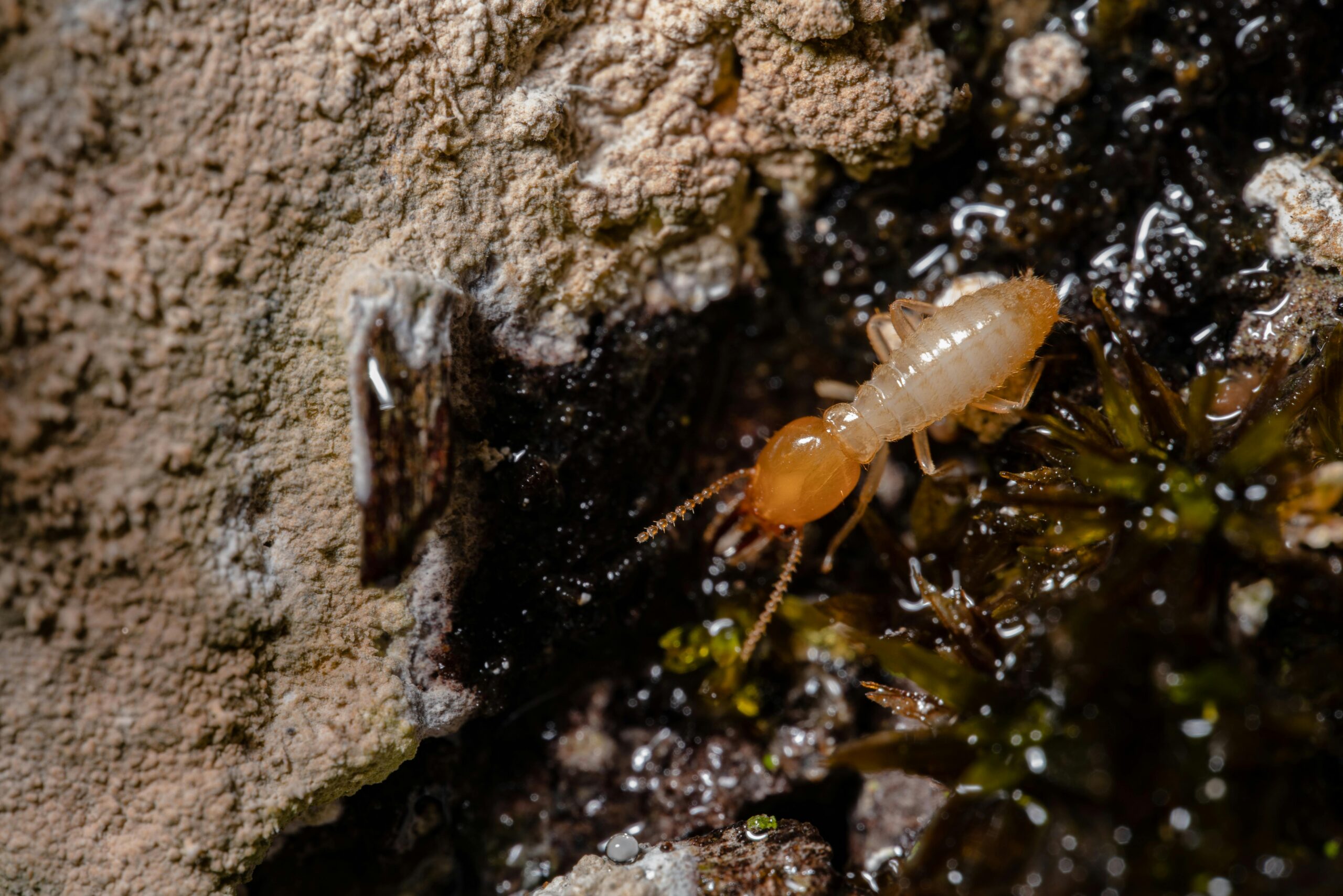
Termite control in Northwest NJ refers to the specialized methods required to protect homes from Eastern Subterranean Termites in the unique geological conditions of Morris, Sussex, and Warren counties. Unlike standard treatments, effective termite protection in this region must account for rocky Highlands soil, high water tables near lake communities, and the freeze-thaw cycles that impact chemical barriers. This comprehensive guide explains how termite biology, regional geology, and proven treatment methods intersect to protect your home’s structural integrity.
Our Service Area
Affordable Pest Solutions is proud to protect homes across Northwest New Jersey’s most termite-vulnerable regions. Our licensed technicians understand the unique challenges presented by the rocky Highlands terrain, lakefront properties, and historic housing stock throughout the tri-county area.
We provide comprehensive termite inspections, treatments, and WDI certifications in:
Not sure if we cover your specific town? Call us at (973) 229-9547 for a quick service area check and to schedule your free termite inspection.
Need Specialized Pest Protection in Your Area?
Termite infestations require immediate attention and region-specific expertise. If you’re dealing with an active infestation or need certified inspections for real estate transactions, explore our specialized services:
- Carpenter Ant Control in Northwest NJ – Often confused with termites; learn the critical differences and treatment approaches
- Real Estate WDI Inspections & Certifications – Fast-turnaround NPMA-33 reports for home sales and refinancing
- Annual Pest Protection Plans – Year-round monitoring and prevention for complete peace of mind
Understanding Eastern Subterranean Termites in Northwest NJ
The Eastern Subterranean Termite (Reticulitermes flavipes) is the most destructive wood-damaging insect in New Jersey, causing millions of dollars in structural damage annually across Morris, Sussex, and Warren counties. Unlike drywood termites found in warmer climates, subterranean termites require constant contact with soil moisture, making them particularly well-adapted to Northwest NJ’s wooded, humid environment.
These social insects live in underground colonies that can contain hundreds of thousands of workers. The colony’s survival depends on three castes: workers (who consume wood and feed the colony), soldiers (who defend against threats), and reproductives (winged alates that swarm in spring to establish new colonies). In Northwest NJ, swarming typically occurs from late March through May, when homeowners often discover discarded wings near windows and doors—the first visible sign of an established colony nearby.
What makes Northwest NJ particularly vulnerable is the combination of mature hardwood forests, older housing stock with stone foundations, and the soil composition of the Highlands geological province. Termites can travel up to 150 feet from their colony to find food sources, meaning a colony in your wooded backyard can silently damage your home’s structural timbers for years before visible signs appear.
Why Northwest NJ’s Geology Changes the Treatment Equation
This is where most “one-size-fits-all” termite treatments fail in our region. The New Jersey Highlands—covering much of Morris and Sussex counties—sits atop ancient Precambrian bedrock, primarily granite and gneiss. This creates three specific challenges that generic termite companies often overlook:
Rocky Soil Depth: Standard liquid termiticide treatments require trenching 6 inches wide and 6 inches deep around a home’s entire perimeter to create a continuous chemical barrier. In many Northwest NJ properties, you’ll hit bedrock within 2–4 inches, making traditional trenching impossible. Attempting to force a liquid treatment in shallow soil creates gaps in the barrier where termites can breach.
High Water Tables: Communities surrounding Lake Hopatcong, Lake Mohawk, and dozens of smaller lakes in Sussex County experience seasonally high water tables. When groundwater rises, it can dilute liquid termiticides or carry them away from the treatment zone, breaking the protective barrier within months instead of the expected 5–10 year efficacy period.
Freeze-Thaw Cycling: Northwest NJ experiences significant winter freezing followed by spring thaws. This cycle causes soil expansion and contraction, which can create fissures in liquid treatment zones. Termites are expert explorers—they’ll find and exploit even hairline gaps in a chemical barrier.The solution isn’t to abandon treatment—it’s to match the treatment method to the specific site conditions. Properties with deep, well-drained soil are ideal candidates for liquid termiticides like Termidor HE. Properties with shallow bedrock, high water tables, or sensitive well-water concerns often perform better with baiting systems like Sentricon, which work independently of soil depth and aren’t affected by groundwater movement.
Termite Treatment Methods Explained
Liquid Termiticide Barriers (Termidor HE)
Liquid termiticides create a treated zone in the soil around and beneath a structure. Modern non-repellent formulations like Termidor HE use fipronil, a slow-acting chemical that termites cannot detect. When foraging termites pass through treated soil, they pick up the active ingredient on their bodies and carry it back to the colony, spreading it through grooming and feeding behaviors—a process called the “Transfer Effect.”
How It Works: Applicators trench along the foundation perimeter, drill through slabs and porches, and inject the solution to create a continuous barrier. Termites that contact the treated zone don’t die immediately; instead, they become carriers, ultimately eliminating the entire colony over weeks to months.
Ideal Conditions: Properties with at least 6 inches of workable soil, good drainage, and no immediate proximity to wells or surface water. Termidor offers long-lasting protection—typically 5–10 years when applied correctly in suitable soil.
Baiting Systems (Sentricon Always Active)
Baiting systems take a fundamentally different approach. Instead of creating a chemical barrier, they strategically place monitoring stations around the property perimeter. These stations contain cellulose material more attractive to termites than wood, along with a slow-acting insect growth regulator (noviflumuron) that prevents termites from molting.
How It Works: When termites discover the bait, they recruit nestmates to the food source. As workers consume the bait and share it through trophallaxis (food sharing), the active ingredient spreads throughout the colony. Because termites cannot molt, they eventually die, leading to colony elimination.
Ideal Conditions: Properties with rocky soil, high water tables, organic/eco-sensitive homeowners, or structures where extensive drilling would be problematic (historic homes, decorative concrete). Bait systems require ongoing monitoring but eliminate the need for extensive soil disruption.
Treatment Comparison
| Factor | Liquid (Termidor) | Baiting (Sentricon) |
| Soil Requirement | Deep, workable soil | Works in any soil depth |
| Water Table Sensitivity | Can be diluted by groundwater | Unaffected by water tables |
| Installation Impact | Trenching + drilling required | Minimal landscape disruption |
| Speed of Protection | Immediate barrier | 2–6 months for colony elimination |
| Longevity | 5–10 years | Ongoing with annual monitoring |
| Best For | Standard foundations, deep soil | Rocky terrain, lake properties, wells nearby |
Neither method is universally “better”—the right choice depends on your property’s specific conditions, which is why a thorough site assessment is essential before treatment begins.ent Ants. If the ants in your kitchen are smaller than a grain of rice, they are almost certainly nuisance species, not Carpenter Ants.
Size Comparison Guide:
- Odorous House Ant: 1/16 to 1/8 inch (smaller than a grain of rice)
- Pavement Ant: 1/8 inch (approximately rice grain size)
- Carpenter Ant: 1/4 to 1/2 inch (significantly larger, approaching the size of a small raisin)
Carpenter Ants are primarily nocturnal, with peak activity occurring between 10 PM and 2 AM. If you see large black ants crawling across your kitchen counter in broad daylight, this represents unusual behavior warranting closer inspection. Nuisance ants, by contrast, forage actively during daylight hours and show no preference for nighttime activity.
The Frass Test: The definitive sign of Carpenter Ant activity is frass—a sawdust-like material consisting of wood shavings mixed with insect body parts and fecal matter. Frass appears as small piles of coarse sawdust, often deposited beneath exit holes in wood trim, beams, or structural members. The material has a sandpaper-like texture and may contain ant body parts visible under magnification.
Finding frass confirms active wood excavation. Carpenter Ants do not consume wood—they excavate it to create nesting galleries. A mature colony can remove significant amounts of timber over several years, potentially compromising structural integrity in load-bearing members.
The Moisture Connection: Carpenter Ants require moisture to survive and preferentially nest in wood with moisture content above 15 percent. In Northwest New Jersey, this typically means areas affected by roof leaks, plumbing leaks, poor drainage, or inadequate ventilation. Properties near Lake Hopatcong, Culver Lake, and other water bodies face elevated risk due to higher ambient humidity levels.
When to Seek Professional Inspection:
- You consistently see large (1/4 inch or larger) black ants, especially at night
- You discover piles of sawdust-like material beneath wood trim or beams
- You hear faint rustling sounds within walls during quiet evening hours
- You see winged ants emerging indoors during May through July
- You have known moisture problems in areas where ants are active
For the majority of Northwest New Jersey homeowners dealing with small ants in kitchens and bathrooms, the concern is sanitation and annoyance, not structural damage. Accurate identification eliminates unnecessary worry and allows treatment efforts to focus on the actual problem species.
Recognizing the Signs of Termite Activity
Early detection is critical because termites work silently inside walls and structural timbers. Here are the warning signs most commonly observed in Northwest NJ homes:
Mud Tubes: Subterranean termites build pencil-thin tunnels from soil to wood, providing the moisture and protection they need to travel above ground. Check stone foundations, basement walls, and crawl spaces. These tubes are often found along mortar joints in the fieldstone foundations common in older Morris and Sussex County homes.
Swarmers (Alates): In spring, reproductive termites emerge from mature colonies to mate and establish new nests. You’ll see winged insects (about 3/8 inch long, dark brown to black) near windows or light sources. Crucially, termite swarmers have straight antennae, equal-length wings, and thick waists—unlike flying ants, which have elbowed antennae, unequal wings, and pinched waists.
Discarded Wings: After swarming, termites shed their wings. Piles of translucent wings near windowsills or door frames indicate a nearby colony sent out reproductives.
Hollow-Sounding Wood: Tap wooden beams, door frames, or window sills with a screwdriver handle. If the wood sounds hollow or the screwdriver easily punctures the surface, termites may have consumed the interior cellulose while leaving a thin veneer intact.Frass vs. No Frass: Eastern Subterranean Termites do not produce visible droppings (frass) because they use their waste to build mud tubes. If you see tiny pellet-like droppings, you likely have drywood termites or powderpost beetles—a different problem requiring different treatment.
The Real Estate Factor: WDI Inspections in New Jersey
If you’re buying or selling a home in Northwest NJ, understanding Wood-Destroying Insect (WDI) inspections can save you time, money, and deal-breaking surprises.
What Is an NPMA-33 Form?
The NPMA-33 is the standardized report created by the National Pest Management Association to document the presence or absence of wood-destroying insects (termites, carpenter ants, powderpost beetles, carpenter bees). In New Jersey, licensed pest control operators conduct these inspections and certify findings for real estate transactions.
When Are Termite Inspections Required?
New Jersey law does not mandate termite inspections for all home sales, but lenders often require them:
- FHA Loans: The Federal Housing Administration requires a WDI inspection in all states where termites are common (including NJ).
- VA Loans: The Department of Veterans Affairs mandates termite inspections for all home purchases.
- Conventional Loans: Many lenders require inspections as a condition of approval, especially for older homes or properties in high-risk areas.
- Seller Disclosure: Even when not required, providing a clean WDI report demonstrates transparency and can expedite closing.
Timeline Expectations
Most WDI inspections take 1–2 hours for an average-sized home. The written report is typically delivered within 24–48 hours. If active infestation or damage is found, treatment and re-inspection add 2–4 weeks to the timeline, depending on the method used. For time-sensitive closings, communicate inspection needs early in the due diligence period.
What Inspectors Examine
Licensed inspectors assess all accessible areas: basements, crawl spaces, attics, garage interiors, and exterior perimeters. They look for live termites, mud tubes, damaged wood, and conditions conducive to infestation (wood-to-soil contact, moisture problems, wood debris near foundations). The report will note active infestations, previous damage, and risk factors—even if no current activity is found.
Termite Prevention in Rocky & Wooded Terrain
While professional treatment is essential for active infestations, homeowners in Northwest NJ can take proactive steps to reduce termite risk:
Eliminate Soil-to-Wood Contact: Wooden deck posts, porch steps, and siding should never directly touch soil. Maintain at least 6 inches of clearance between soil and any wooden structural elements.
Manage Moisture Around Foundations: Subterranean termites need moisture to survive. Ensure gutters and downspouts direct water at least 3 feet away from foundations. Grade soil to slope away from the house, preventing water pooling against basement walls.
Remove Wood Debris: Stumps, firewood stacks, lumber piles, and landscape timbers in contact with soil create ideal termite habitat. Store firewood on racks at least 20 feet from the house and elevated off the ground.
Address Stone Foundation Gaps: Many historic homes in Morris and Sussex counties have fieldstone foundations with gaps in the mortar. These provide easy termite entry points. Repointing deteriorated mortar not only improves structural integrity but also reduces pest access.
Trim Vegetation: Tree branches and shrubs touching siding create moisture traps and hidden termite highways. Maintain a 12-inch clearance between vegetation and exterior walls.
Monitor Wooden Landscaping Features: Railroad ties, decorative timbers, and wood mulch placed against foundations are termite magnets. Use stone or rubber mulch in foundation beds, and keep wood-based landscaping materials at least 2 feet from the house.
These measures won’t eliminate termite risk entirely—colonies can forage 150 feet from their nest—but they significantly reduce the likelihood of accidental infestation and make professional treatments more effective.
Frequently Asked Questions
How much does termite treatment cost in Morris County?
Treatment costs vary significantly based on property size, soil conditions, infestation severity, and chosen method. Liquid treatments for an average 2,000-square-foot home typically range from $1,200–$2,500, while baiting systems may cost $1,500–$3,500 initially with annual monitoring fees of $300–$500. Properties with extensive drilling needs (slabs, patios) or challenging terrain (rocky soil, steep grades) may cost more. Most reputable companies offer free on-site inspections with customized estimates, which is essential given Northwest NJ’s variable geology.
Is a termite inspection mandatory for selling a house in NJ?
New Jersey state law does not require termite inspections for all home sales. However, if the buyer is using an FHA or VA loan, a WDI inspection is federally mandated. Many conventional lenders also require inspections, especially for homes built before 1980 or in areas with known termite activity. Even when not required, providing a clean inspection report demonstrates good faith and can prevent last-minute closing delays. Buyers can also request an inspection during their due diligence period.
How long does a termite treatment warranty last?
Liquid termiticide warranties typically cover 1–5 years, depending on the product and application quality. Termidor HE, when properly applied, can provide effective protection for 10+ years, though most companies offer renewable annual warranties with optional inspections. Baiting systems like Sentricon require ongoing monitoring (usually quarterly or semi-annual visits) and are often sold as annual contracts rather than one-time treatments with extended warranties. Always read warranty terms carefully—most cover re-treatment if termites return, but exclude damage repair costs.
Can I treat termites myself with store-bought products?
While DIY termite products are available, they rarely achieve the same efficacy as professional treatments for several reasons. First, proper application requires specialized equipment (soil treatment rods, high-volume sprayers) and knowledge of termite biology and building construction. Second, products available to homeowners contain lower concentrations of active ingredients than professional formulations. Third, incomplete treatments can cause termites to avoid treated areas without eliminating the colony, allowing hidden damage to continue. In New Jersey, structural termite treatments require a commercial pesticide applicator license. For localized carpenter ant or small infestations, DIY may suffice, but subterranean termite colonies demand professional intervention.
What’s the difference between termites and carpenter ants?
This is the most common misidentification in Northwest NJ. Both can cause wood damage, but they’re biologically different and require different treatments. Termites eat wood for nutrition, have straight antennae, equal-length wings (when swarming), and thick waists. Carpenter ants excavate wood to build nests but don’t consume it; they have elbowed antennae, unequal wings, and pinched waists. Carpenter ants leave behind sawdust-like frass and are often active at night, while termites leave mud tubes and work hidden inside wood. If you see large black ants (1/4–1/2 inch) trailing from trees to your house, they’re likely carpenter ants. If you see mud tubes on your foundation, it’s termites.
Will drilling for termite treatment damage my patio or driveway?
Modern termite treatment requires drilling through concrete slabs, patios, and driveways to inject termiticide into the soil beneath. However, professional applicators use small-diameter bits (typically 1/2 inch or less) spaced 12–18 inches apart. After injection, holes are patched with concrete or mortar to match the existing surface. While small marks may be visible initially, they weather over time and rarely cause structural issues. For decorative stamped concrete or expensive paver patios, discuss concerns upfront—baiting systems may be a less invasive alternative.