
Professional Cockroach Control Services in Northwest NJ
Veteran and Senior Discounts | Warranties Available | Free Quotes
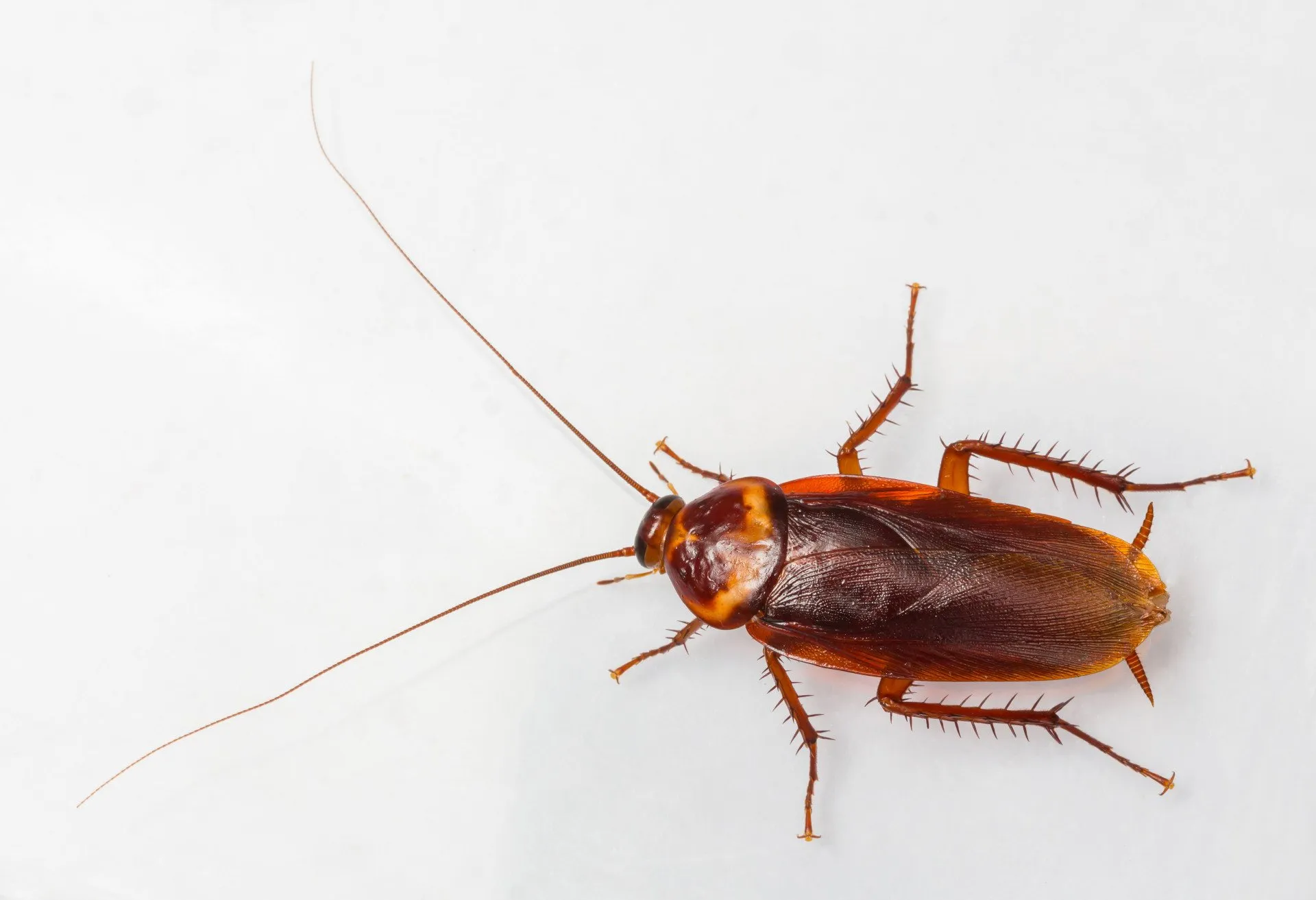
Cockroach control refers to the systematic management of cockroach populations through Integrated Pest Management (IPM) protocols that combine species identification, sanitation improvement, targeted chemical intervention, and structural exclusion. In Northwest New Jersey, effective cockroach management requires understanding the distinct biology of Blattella germanica (German cockroach), Periplaneta americana (American cockroach), and outdoor species like the Pennsylvania Wood Roach that commonly migrate into Morris, Sussex, and Warren County homes during seasonal temperature shifts.
The wooded landscapes and historic housing stock of Northwest New Jersey create unique cockroach control challenges that require experienced local exterminators to address effectively. As autumn temperatures drop across Morris and Sussex counties, outdoor roach species migrate from treelines toward the warmth of homes, while the region’s pre-war plumbing infrastructure and stone foundation construction provide ideal harborage points for indoor breeding populations. Winter heating systems accelerate German cockroach reproduction cycles in older buildings, turning minor infestations into severe problems within weeks if left unaddressed.

Need Cockroach Control Services in Your Area?
If you’re dealing with a cockroach infestation in Northwest New Jersey, professional treatment protocols vary by county due to differences in housing age, construction methods, and environmental factors:
- Professional Cockroach Control Services in Morris County – Specialized treatment for pre-war apartment buildings and historic downtown properties in Morristown, Dover, and Denville
- Sussex County Cockroach Extermination Services – Lake community moisture management and crawlspace treatments in Sparta, Newton, and surrounding wooded areas
Warren County Roach Removal Specialists – Targeted solutions for stone foundation homes and seasonal properties in Hackettstown, Phillipsburg, and Budd Lake
Our Service Area
Affordable Pest Solutions provides professional cockroach control services throughout Northwest New Jersey:
We serve the following areas:
Common Cockroach Species in Northwest New Jersey
Understanding which cockroach species has infested your property is the critical first step in effective control. Northwest NJ hosts three distinct species, each requiring different management approaches.
German Cockroach (Blattella germanica)
The German cockroach is the most common indoor species in Morris County apartments and commercial kitchens. Adults measure 12-15mm in length with two distinctive parallel dark stripes behind the head. This species exhibits complete kitchen and bathroom dependency, requiring moisture and warmth to survive. A single female produces 30-40 eggs per ootheca (egg case) and can generate up to 400 offspring in her lifetime. German cockroaches have evolved glucose aversion in many populations, rendering most store-bought baits ineffective—a phenomenon particularly common in long-established Morristown and Dover apartment complexes.
American Cockroach (Periplaneta americana)
The American cockroach, despite its name, is less common in NJ residential settings but frequently inhabits basement and sewer systems in older Warren County properties. Adults reach 35-40mm in length with a distinctive reddish-brown coloration and yellowish figure-eight pattern behind the head. This species prefers damp, cool environments like stone foundation basements common in Hackettstown historic districts and crawlspaces beneath lake homes in the Hopatcong area.
Pennsylvania Wood Roach (Parcoblatta pennsylvanica)
The Pennsylvania Wood Roach is an outdoor species frequently confused with indoor pest roaches by Sussex County homeowners. Males are tan-colored with fully developed wings, while females are darker and flightless. This species lives in leaf litter, woodpiles, and tree bark, occasionally entering homes during fall migration but unable to establish breeding populations indoors. Distinguishing wood roaches from German cockroaches prevents unnecessary indoor treatment and focuses control efforts on outdoor exclusion in wooded Sparta and Long Valley properties.
Why Northwest NJ Homes Are Vulnerable to Cockroach Infestations
The structural characteristics and environmental conditions of Northwest New Jersey create ideal cockroach habitats that differ significantly from newer construction in other regions.
Pre-War Plumbing Infrastructure in Morris County
Homes and apartment buildings constructed before 1950 throughout Morristown, Dover, and Denville feature cast-iron plumbing with larger wall voids and escutcheon plate gaps that provide superhighways for German cockroach movement between units. These structural voids maintain stable temperatures year-round and offer protection from insecticide sprays, allowing populations to persist even after surface treatments.
Stone Foundation Gaps in Sussex County Historic Homes
The fieldstone and mortared-stone foundations common in Sussex County properties built before 1940 develop cracks and gaps as mortar deteriorates over decades. These openings provide direct access from crawlspaces and basements into wall voids, particularly problematic in Newton and Andover historic districts where American cockroaches migrate from outdoor populations into temperature-controlled living spaces.
Lake Community Moisture Dynamics
Seasonal and year-round properties around Lake Hopatcong, Lake Musconetcong, and smaller Warren County lakes experience elevated humidity levels that attract moisture-dependent cockroach species. Crawlspace condensation, poorly ventilated bathrooms, and seasonal opening/closing cycles create perfect conditions for American cockroach establishment in areas that remain undisturbed for months.
Seasonal Migration from Wooded Areas
The heavily forested landscapes of Sussex and Warren counties host large outdoor Pennsylvania Wood Roach populations that migrate toward artificial light sources and building warmth during September and October temperature drops. While these roaches cannot reproduce indoors, their presence causes alarm and can mask concurrent German cockroach infestations that require immediate intervention.
The Biology of Cockroach Reproduction & Survival
Understanding cockroach reproductive biology explains why infestations escalate rapidly without professional intervention and why homeowner efforts often fail.
German cockroaches exhibit the fastest reproduction cycle of any domestic pest species. Females carry egg cases (oothecae) containing 30-40 eggs until 1-2 days before hatching, protecting developing nymphs from insecticide exposure. Nymphs reach sexual maturity in 36-60 days depending on temperature and food availability. In heated Morris County apartments during winter, this cycle accelerates, allowing populations to double every 30 days.
Cockroaches exhibit negative phototaxis (light avoidance) and positive thigmotaxis (preference for tight spaces), meaning they spend 75% of their time in cracks and crevices less than 5mm wide. This behavior explains why surface sprays provide only temporary relief—treated roaches die, but unexposed populations in wall voids continue breeding.
Thermal refuge behavior drives cockroaches to heat-producing appliances. Refrigerator compressors, dishwasher insulation, and water heater compartments maintain temperatures 5-10°F above ambient room temperature, creating ideal microhabitats. Professional monitoring targets these thermal hotspots rather than random placement of glue traps.
Integrated Pest Management (IPM) for Cockroaches
Effective cockroach control requires a systematic approach that addresses biology, behavior, and structural vulnerabilities rather than relying solely on chemical application.
Phase 1: Species Identification & Inspection
Professional inspection identifies the specific cockroach species, primary harborage areas, and conducive conditions. Inspectors examine plumbing penetrations, appliance voids, electrical outlets, and baseboards using flashlights and flushing agents to detect hidden populations. In multi-unit Morris County buildings, inspection extends to adjacent units and shared plumbing chases to identify the infestation source.
Phase 2: Sanitation & Source Reduction
Sanitation focuses on eliminating food, water, and harborage rather than achieving sterility. Critical steps include removing grease buildup behind stoves, fixing plumbing leaks, eliminating cardboard storage in basements, and reducing clutter that provides daytime hiding spots. In severe infestations involving hoarding conditions, professional sanitation services may be required before chemical treatment proves effective.
Phase 3: Chemical Controls
Modern cockroach control relies on non-repellent gel baits and insect growth regulators rather than broadcast sprays. Professional-grade baits use protein-based or carbohydrate-based matrices rotated to overcome glucose aversion in German cockroach populations. Bait placements target crack-and-crevice locations along cockroach travel routes identified during inspection.
Insect Growth Regulators (IGRs) such as hydroprene and pyriproxyfen function as “birth control for bugs,” disrupting normal molting and preventing nymphs from reaching reproductive maturity. IGR applications provide 4-6 months of residual activity, sterilizing populations even if adult cockroaches survive bait treatments.
Phase 4: Structural Exclusion & Monitoring
Exclusion work seals entry points and eliminates harborage. Priority areas include caulking around plumbing penetrations, installing door sweeps, sealing escutcheon plates, and applying foam sealant to electrical conduit penetrations. In Sussex County stone foundation homes, exclusion may require professional masonry repair to seal deteriorated mortar joints.
Monitoring uses glue boards placed in identified thermal hotspots to track population trends and verify treatment effectiveness. Monthly monitoring during the active treatment phase transitions to quarterly monitoring once populations reach zero for two consecutive months.
How Insect Growth Regulators (IGRs) Disrupt Cockroach Populations
Insect Growth Regulators represent a paradigm shift from traditional “kill-on-contact” insecticides to population sterilization strategies that prevent future generations.
IGRs mimic juvenile hormones that regulate insect molting and metamorphosis. When cockroach nymphs absorb hydroprene or pyriproxyfen through contact or ingestion, these compounds prevent the hormonal transition necessary for molting into adults. Affected nymphs die during attempted molts or emerge as sterile adults incapable of reproduction.
This mechanism provides several advantages over traditional insecticides. IGRs exhibit extremely low mammalian toxicity, making them safe for application in sensitive environments like restaurant kitchens and homes with pets. Their residual activity extends 4-6 months, far longer than contact insecticides. Most importantly, IGRs prevent resistance development because they don’t exert lethal selection pressure—cockroaches cannot evolve resistance to their own hormones.
Professional applications combine IGRs with gel baits to address both current adult populations (via bait) and future generations (via IGR), achieving complete population collapse within 60-90 days.
Understanding Bait Aversion in German Cockroaches
The failure of store-bought baits in many Northwest NJ infestations stems from evolved glucose aversion in German cockroach populations, a phenomenon extensively documented in older urban buildings.
Wild-type German cockroaches exhibit strong attraction to glucose-based baits. However, populations exposed to glucose baits over multiple generations develop a neurological mutation that causes glucose to trigger bitter taste receptors rather than sweet receptors. These glucose-averse cockroaches actively avoid baits containing corn syrup, dextrose, or other glucose sources, rendering most consumer products ineffective.
Professional bait matrix rotation solves this problem by alternating between protein-based baits (using meat or egg proteins as attractants), carbohydrate-based baits (using maltose or fructose instead of glucose), and lipid-based baits. Rotation prevents selection for any single aversion trait and ensures that at least one bait matrix remains attractive to the population.
This explains why homeowners in long-established Morristown apartment complexes often report that “nothing works”—they’re applying the same glucose-based bait that selected for aversion in that building’s cockroach population over the past decade.
Health Risks Associated with Cockroach Infestations
Cockroach infestations pose significant health risks beyond the psychological distress and social stigma commonly associated with their presence.
Pathogen Transmission
Cockroaches mechanically transmit bacterial pathogens by walking through sewage, garbage, and fecal matter, then traversing food preparation surfaces and utensils. Studies have isolated Salmonella, E. coli, Staphylococcus, and other pathogenic bacteria from cockroach bodies and fecal material. In restaurant environments, a single cockroach traversing a prep surface can contaminate food contact areas with dozens of bacterial species.
Asthma & Allergy Triggers
Cockroach allergens rank among the most potent indoor asthma triggers, particularly in children. Proteins in cockroach saliva, feces, and shed exoskeletons become airborne and trigger allergic responses in sensitized individuals. The National Institute of Environmental Health Sciences identifies cockroach allergen as a major contributor to asthma severity in urban environments, with exposure correlating to increased emergency room visits and missed school days.
Psychological Impact
The psychological toll of cockroach infestations—shame, anxiety, sleep disruption, and social isolation—represents a genuine health impact often overlooked in pest control discussions. Homeowners frequently delay seeking professional help due to fear of judgment, allowing infestations to worsen. Recognizing that cockroach problems can occur in clean, well-maintained homes due to structural factors beyond occupant control is essential to overcoming this barrier to treatment.
Structural Vulnerabilities: Entry Points in NJ Housing Stock
The specific construction methods and materials common in Northwest New Jersey’s housing stock create predictable cockroach entry points and harborage areas.
Plumbing Penetrations & Escutcheon Plates
Every location where plumbing pipes penetrate walls, floors, or ceilings represents a potential cockroach highway. Escutcheon plates (decorative rings around pipes under sinks) rarely seal tightly to walls, leaving gaps that provide direct access to wall voids. In Morris County multi-unit buildings with shared plumbing stacks, cockroaches move freely between floors through these penetrations, requiring building-wide treatment for successful control.
Shared Walls in Multi-Unit Buildings
Apartment buildings and townhomes constructed before modern fire-blocking requirements feature continuous wall voids that span multiple units. Cockroaches establish breeding populations in these voids, emerging into individual units through electrical outlets, baseboard gaps, and plumbing penetrations. Surface treatment of a single infested unit proves ineffective because the source population remains protected in shared wall spaces.
Crawlspace & Basement Access Points
The stone foundations and dirt-floor crawlspaces common in Sussex and Warren County homes built before 1960 provide ideal American cockroach habitat. Deteriorated foundation mortar, crawlspace vents, and basement window gaps allow outdoor populations to access temperature-controlled spaces. Rim joist areas where foundation meets wood framing create particularly vulnerable transition zones that require foam sealant application during exclusion work.
Related Pest Control Services
Cockroach infestations often occur alongside or share common entry points with other pest problems in Northwest NJ homes:
- Rodent Control Services – Mice and rats exploit the same plumbing penetrations and foundation gaps that allow cockroach entry, making coordinated exclusion work more cost-effective
- Sanitation & Cleanout Services – Severe cockroach infestations in hoarding situations require professional cleaning before chemical treatment proves effective
- 365 Annual Protection Plan – Year-round monitoring and prevention services provide peace of mind and catch new pest activity before populations establish
Frequently Asked Questions About Cockroach Control
How long does professional cockroach treatment take to work?
Initial population reduction becomes noticeable within 7-10 days as cockroaches consume gel baits and die in harborage areas. Complete population elimination typically requires 60-90 days due to the German cockroach lifecycle—eggs protected inside oothecae during initial treatment hatch into nymphs that must encounter baits or IGR residuals. Multi-unit buildings may require 90-120 days due to re-infestation from untreated adjacent units.
Will cockroach treatment harm my pets or children?
Modern IPM protocols prioritize low-toxicity products applied in crack-and-crevice locations inaccessible to pets and children. Gel baits contain food-grade ingredients combined with insecticides at concentrations that affect insects but pose minimal risk to mammals. IGRs target insect-specific hormones with no mammalian equivalent. Professional applicators avoid broadcast sprays in favor of targeted placements that eliminate non-target exposure.
Why did store-bought baits fail to control my infestation?
Consumer baits fail for three primary reasons: glucose aversion in established German cockroach populations, insufficient bait placement density, and failure to address structural and sanitation issues. Professional treatment uses multiple bait formulations rotated to overcome aversion, places baits based on inspection findings rather than random application, and combines chemical control with exclusion and sanitation recommendations.
Can cockroaches infest clean homes?
Absolutely. While sanitation affects infestation severity, structural factors often matter more than cleanliness. German cockroaches require only microscopic food particles and trace moisture to survive—conditions present even in well-maintained homes. Multi-unit buildings allow migration from neighboring units regardless of individual housekeeping. Pre-war plumbing and stone foundations provide harborage independent of sanitation levels.
Is it worth hiring a professional for a minor cockroach problem?
Early professional intervention prevents minor problems from becoming severe infestations. A single German cockroach sighting often indicates a hidden population of 100-1,000 individuals in wall voids and appliance spaces. Professional inspection identifies the infestation scope and source, preventing the exponential population growth that occurs when homeowners delay treatment while attempting DIY solutions.
How can I prevent future cockroach infestations?
Prevention combines structural maintenance, sanitation protocols, and monitoring. Seal plumbing penetrations and foundation gaps annually. Eliminate moisture sources by repairing leaks promptly and using bathroom ventilation. Store food in sealed containers and clean grease buildup from cooking surfaces. In multi-unit buildings, coordinate with property management for building-wide prevention efforts. Annual or quarterly professional monitoring detects new activity before populations establish.
Will my neighbors know I have a cockroach problem?
Professional pest control services respect client privacy. Technicians use unmarked vehicles when requested and schedule appointments at times that minimize visibility. Treatment focuses on interior applications that don’t require exterior signage or equipment. The social stigma surrounding cockroach infestations is often disproportionate to the actual cause—structural factors beyond occupant control frequently drive infestations in older NJ housing stock.
What’s the difference between cockroaches I see during the day versus at night?
Cockroaches are nocturnal insects that avoid light and human activity. Daytime sightings indicate severe overcrowding—the harborage areas are so densely populated that subordinate cockroaches are forced into suboptimal exposed locations. Daytime activity signals an urgent need for professional intervention, as the hidden population likely numbers in the thousands.