
Professional Rodent Control Services in Northwest NJ
Veteran and Senior Discounts | Warranties Available | Free Quotes
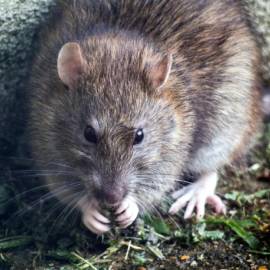
Rodent control in Northwest New Jersey refers to the integrated management of mice, rats, and voles that inhabit the Morris, Sussex, and Warren County regions. Due to the area’s unique ecosystem—characterized by dense hardwood forests, historic fieldstone construction, and seasonal mast cycles—homeowners face distinct challenges compared to urban New Jersey communities. Effective rodent management combines species identification, structural exclusion, and Integrated Pest Management (IPM) protocols tailored to the Skylands region’s architecture and climate.
Our Rodent Control Service Areas in Northwest New Jersey
Affordable Pest Solutions provides professional rodent exclusion and control services throughout the Skylands region:
We serve the following areas:
Providing structural exclusion services, attic remediation, and comprehensive rodent management for Northwest New Jersey homeowners.
All Pest Control Services – View our complete range of residential and commercial pest management programs

Need Professional Rodent Control in Your Area?
Affordable Pest Solutions provides comprehensive rodent exclusion services throughout Northwest New Jersey. Whether you’re dealing with mice in your attic, rats in your basement, or structural damage from repeated infestations, we offer specialized solutions:
- Attic Insulation Restoration & Rodent Damage Repair – Remediating contaminated insulation and restoring your home’s thermal envelope
- Wildlife Removal Services (Squirrels & Bats) – Addressing animals that share the same entry points as rodents
- Tick & Mosquito Control Programs – Reducing disease vectors connected to rodent populations
- Commercial Pest Management – Agricultural exclusion strategies for farms and rural properties
Understanding Northwest NJ’s Rodent Ecosystem
The Skylands region presents a unique rodent challenge that differs significantly from suburban Essex or Bergen Counties. Our area’s combination of mature hardwood forests, agricultural land, and historic architecture creates an environment where rodent populations thrive year-round.
The White-Footed Mouse (Peromyscus leucopus): Regional Dominance
The white-footed mouse is the most common rodent species in Morris, Sussex, and Warren Counties. Unlike the house mouse (Mus musculus) found in urban areas, Peromyscus leucopus is a native woodland species that has adapted remarkably well to human structures.
These mice are slightly larger than house mice, with distinctive white feet and underbellies. They’re excellent climbers, which explains why homeowners often hear them in attics, soffits, and wall voids. White-footed mice are also the primary reservoir for the bacteria that causes Lyme disease, carrying infected blacklegged ticks into residential areas.
During “mast years”—when oak and beech trees produce abundant acorns and nuts—white-footed mouse populations explode. The following winter, when food sources dwindle, these expanded populations seek shelter and sustenance in homes, particularly those near wooded areas like Long Valley, Sparta, and the Lake Hopatcong region.
Norway Rats vs. Roof Rats: Species Identification
While less common than mice in rural Northwest NJ, rats do establish populations, particularly in areas with livestock, grain storage, or proximity to water sources.
Norway Rats (Rattus norvegicus) are the larger, ground-dwelling species. They burrow along foundations, beneath woodpiles, and in barn floors. In the Skylands region, they’re most common around farms in Warren County and older properties with stone foundations that provide ideal burrowing opportunities.
Roof Rats (Rattus rattus) are rare in our climate but occasionally appear in heated structures. They’re slimmer, better climbers, and prefer upper levels of buildings.
Proper identification matters because exclusion strategies differ. Norway rats require ground-level sealing and foundation work, while mice demand attention to upper-story access points.
Voles vs. Moles: Clearing the Confusion
Homeowners frequently confuse voles with moles, though they’re entirely different animals requiring different management approaches.
Voles are small rodents (similar in appearance to stocky mice) that create surface runways through lawns and gardens. They damage plant roots and tree bark but rarely enter homes. The meadow vole is common in Northwest NJ’s grassy areas.
Moles are insectivores, not rodents. They’re beneficial animals that eat grubs and earthworms, creating the familiar raised tunnels in lawns. Moles don’t eat plants and don’t invade structures.
If you’re experiencing indoor rodent issues, you’re dealing with mice or rats—not voles or moles.
Seasonal Patterns: Mast Years & Winter Intrusion Cycles
Northwest New Jersey’s rodent activity follows predictable seasonal patterns that every homeowner should understand.
Fall (September-November): As temperatures drop and natural food sources decline, rodent pressure on structures intensifies. This is when mice begin seeking winter shelter. Properties near oak forests see the highest activity.
Winter (December-February): Rodent populations are established inside structures. Activity may seem to decrease because animals are nesting rather than foraging actively, but reproduction continues. A single pair of mice can produce 6-8 litters annually.
Spring (March-May): As outdoor conditions improve, some rodents leave structures, but pregnant females often remain to raise young in protected attic spaces. This is also when homeowners discover the extent of winter damage.
Summer (June-August): Outdoor populations expand. Properties with bird feeders, unsecured garbage, or dense foundation plantings attract rodents that will become fall invaders.
Understanding these cycles helps homeowners time exclusion work effectively. Fall exclusion—before populations move indoors—is ideal.
Why Historic Homes Are Vulnerable
Northwest New Jersey’s architectural heritage is one of the region’s treasures, but older construction methods create inherent rodent vulnerabilities that modern homes don’t face.
The Fieldstone Foundation Challenge
Many homes in Morris and Sussex Counties, particularly those built in the 18th and 19th centuries, feature fieldstone foundations. These beautiful stone walls were constructed without modern mortar, relying instead on carefully fitted stones and lime-based mortars that deteriorate over time.
The irregular gaps between stones create perfect rodent entry points. Mice can squeeze through openings as small as a dime (approximately 6mm), and the texture of stone provides excellent climbing surfaces. Traditional repointing helps, but complete rodent-proofing often requires specialized exclusion materials like copper mesh that can conform to irregular gaps without compromising the historic character.
Homeowners in Morristown’s historic districts, Chester Township, and rural Warren County frequently face this challenge. The solution isn’t to replace these foundations—it’s to retrofit them with exclusion materials that respect the home’s heritage while creating a rodent-proof barrier.
Lake Cabin & Farmhouse Construction Gaps
Properties around Lake Hopatcong, Lake Mohawk, and Budd Lake often feature seasonal construction that wasn’t designed for year-round occupancy. As these cabins have been converted to permanent residences, gaps around pier foundations, unscreened crawl spaces, and seasonal-grade door seals create easy rodent access.
Similarly, farmhouses and barns in the agricultural areas of Long Valley, Hackettstown, and rural Sussex County were built with ventilation for livestock and hay storage. These intentional openings—necessary for their original purpose—now serve as highways for rodent traffic between outbuildings and living spaces.
Common Entry Points in Skylands-Region Architecture
Through thousands of inspections across Northwest NJ, we’ve identified the most common rodent entry points in our region’s homes:
Roof-to-Wall Junctions: The gap where roof lines meet exterior walls, especially on Cape Cod and Colonial-style homes, often lacks proper sealing. Mice climb siding or nearby trees to access these upper-story gaps.
Weep Holes: Modern brick veneer construction includes weep holes for moisture drainage. Without proper screening, these become rodent entry points. This is particularly common in homes built in the 1980s-2000s throughout Morris County developments.
Utility Penetrations: Gaps around electrical service entries, cable lines, gas meters, and HVAC refrigerant lines are frequently oversized or poorly sealed. Mice follow these utility lines like roadmaps into wall voids.
Door Thresholds: Worn door sweeps and gaps beneath garage doors are ground-level access points, particularly for Norway rats. Historic homes with original doors often have significant gaps due to settling and wood shrinkage.
Dryer Vents & Exhaust Fans: Damaged or missing vent flaps create direct access to interior spaces. We frequently find mice nesting in dryer ductwork.
Ridge Vents: Modern ridge vents improve attic ventilation but can allow rodent entry if the internal baffling is damaged or improperly installed. This is especially problematic on homes backing to wooded areas in Denville, Sparta, and Newton.
Health & Safety Risks
Rodent infestations pose serious health and safety risks that extend beyond the nuisance of scratching noises and droppings. Understanding these risks helps homeowners prioritize professional intervention.
Hantavirus & Respiratory Hazards
Hantavirus Pulmonary Syndrome (HPS) is a rare but potentially fatal respiratory disease transmitted through inhalation of dust contaminated with rodent urine, droppings, or saliva. While most cases in the United States occur in western states, the white-footed mouse—our region’s dominant species—is a known carrier.
The risk increases when homeowners clean infested attics or crawl spaces without proper respiratory protection. Disturbing dried droppings aerosolizes the virus. This is why professional remediation with HEPA-filtered vacuums and proper protective equipment is essential for significant infestations.
Other respiratory concerns include allergic reactions to rodent dander and proteins, which can trigger asthma symptoms, particularly in children.
Lyme Disease Connection
White-footed mice serve as the primary reservoir for Borrelia burgdorferi, the bacteria that causes Lyme disease. Larval blacklegged ticks (deer ticks) feed on infected mice, then carry the bacteria to their next blood meal—often humans or pets.
Properties with high mouse populations near living areas create increased tick exposure risk. This connection between rodent control and tick management is particularly relevant in Northwest NJ, which has one of the highest Lyme disease incidence rates in the nation.
Reducing mouse populations around your home’s perimeter through habitat modification and exclusion indirectly reduces tick exposure.
Fire Hazards from Electrical Damage
Rodents gnaw constantly to control the growth of their continuously-growing incisors. Unfortunately, they don’t distinguish between wood framing and electrical wiring.
Damaged wiring insulation creates short-circuit and arcing risks. The National Fire Protection Association estimates that rodents cause approximately 25% of fires attributed to “unknown causes.” In attics with rodent activity, chewed wiring is common, particularly around junction boxes and older knob-and-tube systems still present in many historic Northwest NJ homes.
This risk is one reason we recommend professional attic inspections as part of rodent control services—identifying electrical damage before it causes a catastrophic failure.
Structural Damage to Insulation & Foundations
Beyond immediate health risks, rodents cause significant structural damage over time.
Insulation Degradation: Mice burrow through fiberglass and cellulose insulation, compressing it and reducing R-value. Urine-soaked insulation loses thermal performance and creates persistent odors. In severe infestations, complete insulation replacement becomes necessary—a significant expense that proper exclusion prevents.
Foundation Undermining: Norway rats burrow along foundation walls, potentially compromising drainage systems and creating water intrusion pathways. In homes with crawl spaces, rat burrows can destabilize pier supports.
Wood Damage: Mice nest in wall voids and chew structural framing, floor joists, and roof decking. While they rarely cause catastrophic structural failure, repeated damage over years weakens framing members.
The financial impact of structural damage often exceeds the cost of professional exclusion services many times over, making prevention a sound investment.
The Structural Exclusion Approach
The fundamental difference between temporary rodent control and permanent solutions lies in the methodology. Affordable Pest Solutions specializes in structural exclusion—a comprehensive approach that addresses the root cause rather than just the symptoms.
To see how that sequence plays out on a real house, read what an exterminator does for mice in Budd Lake.
What is IPM (Integrated Pest Management)?
Integrated Pest Management is an ecosystem-based strategy that focuses on long-term prevention through a combination of techniques: habitat modification, structural exclusion, and targeted population reduction when necessary.
In the context of rodent control, IPM means:
- Inspection & Identification: Determining which species are present, where they’re entering, and what attractants exist
- Exclusion: Sealing entry points with appropriate materials to prevent future access
- Population Reduction: Using mechanical traps and, when necessary, carefully placed rodenticides in accordance with NJ regulations
- Sanitation: Removing contaminated materials and food sources
- Monitoring: Follow-up inspections to verify success and catch new vulnerabilities
This approach contrasts with the “bait-and-wait” method many exterminators use, where poison stations are placed but entry points remain open, creating a cycle of recurring infestations.
Exclusion vs. Baiting: Long-Term vs. Short-Term Solutions
Baiting alone provides temporary population reduction. Rodents consume poison, die (often inside wall voids, creating odor issues), but nothing prevents new rodents from entering through the same gaps. Homeowners find themselves on monthly service contracts with no end in sight.
Structural exclusion addresses the fundamental problem: access to the structure. By sealing entry points with durable materials, we eliminate the pathway. Combined with initial population reduction inside the structure, exclusion provides a permanent solution.
The investment in exclusion pays for itself by eliminating recurring service costs and preventing the structural and health damages described above.
Materials & Methods: Copper Mesh, Ridge Vent Sealing, Door Sweeps
Professional exclusion requires the right materials for each application:
Copper Mesh (Stuf-Fit or Xcluder): Unlike steel wool, which rusts and deteriorates, copper mesh provides permanent exclusion for irregular gaps around pipes, in foundation cracks, and between stones. Copper is non-corrosive and rodents won’t chew through it. We use this extensively on fieldstone foundations.
Expanding Foam with Wire Mesh Backing: For larger gaps, we use a combination of copper mesh stuffed into the void, then sealed with expanding foam. The foam alone would be chewed through; the mesh provides the actual barrier.
1/4″ Hardware Cloth: Galvanized steel mesh screens weep holes, crawl space vents, and other ventilation openings without blocking airflow. Proper installation requires securing edges to prevent rodents from prying underneath.
Door Sweeps & Threshold Seals: Commercial-grade door sweeps with replaceable rubber gaskets seal the gap beneath doors. For historic doors where appearance matters, we can install concealed seals that maintain the original aesthetic.
Ridge Vent Baffling: Internal baffles prevent rodent access while maintaining proper attic ventilation. This requires working from inside the attic to retrofit existing ridge vent systems.
Roof-to-Wall Flashing: Custom metal flashing seals the junction where roof lines meet walls, a common entry point on dormers and additions.
Historic Preservation Considerations
Many Northwest NJ homeowners rightfully value their home’s historic character. Our exclusion methods respect this concern.
For fieldstone foundations, we avoid visible modern materials on exterior-facing surfaces. Copper mesh can be installed in mortar joints and painted to match existing stone coloring. Interior foundation sealing—applied from basement or crawl space sides—provides effective exclusion without altering exterior appearance.
For historic doors and windows, we source period-appropriate sealing solutions or fabricate custom pieces that maintain the original look while providing modern rodent protection.
We’ve worked extensively in Morristown’s historic districts and with homeowners in designated historic properties throughout Morris County. Exclusion and preservation are compatible goals with the right approach.
DIY Prevention Strategies
While professional exclusion provides the most comprehensive solution, homeowners can take several steps to reduce rodent attractiveness and identify problems early.
Seasonal Home Maintenance Checklist
Spring:
- Inspect foundation perimeter for winter damage and new burrows
- Trim back vegetation touching the house (maintain 12-18″ clearance)
- Check roof flashing and chimney caps for winter damage
- Clean gutters to prevent water damage that creates entry points
Summer:
- Inspect attic spaces for signs of activity (droppings, nesting material, chewed wiring)
- Check door sweeps and weatherstripping; replace if worn
- Evaluate outdoor storage areas; elevate firewood and materials at least 18″ off ground and away from structures
Fall (Critical Season):
- Conduct thorough exterior inspection before rodent pressure increases
- Seal obvious gaps around utilities, vents, and foundations
- Install or repair window well covers
- Remove outdoor food sources (fallen fruit, unsecured garbage, accessible bird feeders)
Winter:
- Monitor for signs of interior activity (scratching sounds, droppings, gnaw marks)
- Check stored items in basements and garages for nesting
- Maintain proper door closure (don’t leave garage doors open)
Food Storage & Sanitation Best Practices
Rodents require only small amounts of food—a mouse needs just 3-4 grams daily. Eliminating food sources makes your home less attractive.
Kitchen & Pantry:
- Store dry goods (flour, rice, cereal, pet food) in sealed glass or heavy plastic containers
- Don’t leave dishes with food residue overnight
- Clean beneath appliances regularly (crumbs accumulate under stoves and refrigerators)
- Store fruit in refrigerators rather than countertop bowls during high-pressure seasons
Garage & Basement:
- Store pet food in metal or heavy-duty plastic bins with tight lids
- Don’t stockpile cardboard boxes (mice nest in corrugated cardboard)
- Keep garage floors clear of clutter where rodents can hide
Outdoor:
- Use squirrel-proof bird feeders or suspend feeders far from structures
- Don’t leave pet food outside overnight
- Secure garbage in rodent-proof containers
- Compost bins should be enclosed and properly managed
Landscaping & Habitat Modification
The area immediately around your foundation—the first 3-6 feet—is critical territory.
Foundation Plantings: Dense shrubs against foundations provide rodent cover and highways to upper-story access points. Maintain clearance or choose low-growing, sparse plantings.
Mulch Depth: Thick mulch (more than 2-3 inches) against foundations creates rodent habitat. Use stone or reduce mulch depth in the foundation zone.
Woodpiles: Store firewood at least 20 feet from structures and 18 inches off the ground. Woodpiles against houses are rodent condominiums.
Ivy & Climbing Vines: English ivy, Virginia creeper, and similar vines provide climbing pathways to roof lines. Keep vines trimmed away from structures or remove them entirely.
Tree Limbs: Trim branches to maintain 6-8 feet clearance from roof lines. Squirrels and mice use overhanging branches as bridges.
When to Call a Professional
DIY prevention has limits. Call a professional when you observe:
- Active Interior Infestations: If you’re hearing scratching in walls or attics, seeing droppings, or encountering live rodents, the population is established and requires professional intervention
- Recurring Problems: If you’ve sealed obvious gaps but rodents keep returning, you’re missing entry points that require professional inspection
- Structural Complexity: Historic homes, stone foundations, and complex roof lines require specialized exclusion techniques beyond typical DIY capability
- Health Concerns: Attics with significant contamination require proper protective equipment and disposal methods
- Large Populations: Extensive droppings, multiple active areas, or signs of Norway rats indicate populations beyond DIY management
Professional services provide warranty protection, proper licensing for pesticide application (when necessary), and the expertise to identify non-obvious entry points.
Choosing a Rodent Control Provider in NJ
Not all pest control services are equal. Understanding what separates comprehensive exclusion from basic extermination helps you select the right provider.
Licensing & Certification Requirements
In New Jersey, anyone applying pesticides (including rodenticides) for compensation must hold a Commercial Pesticide Applicator License issued by the NJ Department of Environmental Protection.
Verify credentials:
- Ask for the company’s pesticide business license number
- Confirm technicians hold appropriate category certifications (Category 7a for general household pests)
- Check for liability insurance and workers’ compensation coverage
Licensed applicators receive training in proper pesticide use, environmental protection, and safety protocols. Unlicensed operators pose legal and safety risks.
Questions to Ask Before Hiring
“Do you provide exclusion services, or just baiting?”
The answer reveals their methodology. Companies focused solely on bait stations provide temporary relief, not permanent solutions.
“What is your inspection process?”
Comprehensive providers conduct thorough interior and exterior inspections, often with written reports identifying entry points and vulnerabilities. Quick walk-throughs miss critical details.
“What materials do you use for exclusion?”
Professional-grade materials (copper mesh, hardware cloth, commercial sealants) differ from hardware store products. Ask specifics.
“Do you offer warranties or guarantees?”
Reputable exclusion services typically guarantee their work for a specified period (often 1 year), returning to address any breakthrough activity at no additional charge.
“How do you handle contaminated insulation?”
Companies offering comprehensive services include attic remediation and sanitation. Basic exterminators typically don’t address this critical health concern.
“Are you familiar with historic home exclusion?”
If you own a historic property, choose providers with demonstrated experience in preservation-compatible methods.
Red Flags: Bait-Only Services vs. Comprehensive Exclusion
Warning signs of inadequate service:
- Pressure for immediate contracts without thorough inspection
- Quotes given over the phone without seeing the property
- Focus exclusively on monthly bait station service with no discussion of sealing entry points
- Unwillingness to provide written estimates or documentation
- No mention of exclusion or structural sealing
- Extremely low pricing (comprehensive exclusion requires skilled labor and quality materials)
- Lack of proper licensing or evasive answers about credentials
Indicators of quality service:
- Detailed inspection with photo documentation
- Written estimates breaking down exclusion work, materials, and population reduction methods
- Discussion of IPM principles and long-term prevention
- References available from similar properties (particularly relevant for historic homes)
- Clear warranty terms in writing
- Transparent pricing with explanation of what’s included
The lowest price rarely represents the best value in rodent control. Comprehensive exclusion costs more upfront but eliminates recurring expenses and prevents costly structural damage.
Protecting Your Home’s Envelope: A Regional Approach
Rodent control in Northwest New Jersey requires understanding our unique ecosystem, architectural heritage, and seasonal patterns. The combination of dense forests, historic construction, and abundant wildlife creates challenges that generic pest control approaches don’t adequately address.
Structural exclusion—retrofitting your home against the local environment—provides the permanent solution that baiting alone cannot deliver. By sealing the gaps that our region’s architecture and climate create, you protect not just against current infestations but against the recurring cycle that costs homeowners thousands in repeated service calls and structural damage.
Whether you’re maintaining a fieldstone farmhouse in Warren County, a lakefront cabin at Lake Hopatcong, or a historic Colonial in Morristown, the principle remains the same: we don’t just bait—we build them out.e expertise to identify non-obvious entry points.
Ready to Stop the Cycle?
Fall is your critical intervention window—before populations move indoors for winter. Schedule your comprehensive inspection and get a detailed exclusion plan with transparent pricing.
Frequently Asked Questions
How long does a rodent exclusion service take?
The timeline depends on your home’s size, construction type, and the extent of entry points. A typical single-family home inspection takes 1-2 hours. Exclusion work ranges from a half-day for straightforward properties to 2-3 days for complex historic homes with fieldstone foundations and multiple access points. Population reduction (trapping) continues for 1-2 weeks after exclusion to address rodents already inside.
Will exclusion work harm my home’s ventilation?
No. Professional exclusion maintains necessary ventilation while blocking rodent access. We screen vents rather than sealing them, install proper ridge vent baffling, and ensure crawl space ventilation meets building codes. Proper exclusion actually improves energy efficiency by sealing air leaks without compromising necessary airflow.
Is it safe for my pets and children?
Yes. Interior trapping uses mechanical snap traps placed in areas inaccessible to children and pets (attics, crawl spaces, behind appliances). When rodenticides are necessary, we use tamper-resistant bait stations that meet EPA safety standards, placed in locations pets and children cannot access. We prioritize non-toxic methods whenever possible and always disclose materials used.
How much does professional rodent exclusion cost in Northwest NJ?
Costs vary based on home size, construction complexity, and infestation severity. Basic exclusion for a standard home typically ranges from $800-$1,500. Historic homes with fieldstone foundations or extensive entry points may range from $2,000-$4,000. Attic remediation (if needed) adds $1,500-$3,000 depending on square footage and contamination level. We provide free inspections and written estimates before any work begins.
Can I just use poison from the hardware store?
We strongly advise against DIY rodenticide use. Improper placement creates risks to children, pets, and non-target wildlife. Rodents often die in inaccessible wall voids, creating odor problems that last weeks. Additionally, without exclusion, poisoning creates a temporary vacancy that new rodents quickly fill. DIY poison rarely solves the problem and often creates new complications.
What’s the difference between mice and rats in terms of control?
Mice are better climbers and typically enter through upper-story gaps, requiring attention to roof lines, soffits, and wall-to-roof junctions. Rats are ground-dwellers that burrow and enter through foundation-level gaps. Mice can squeeze through dime-sized openings; rats need quarter-sized gaps. Control strategies differ in trap placement, exclusion focus areas, and monitoring methods. Proper species identification during inspection ensures appropriate treatment.
Why do I only hear rodents at night?
Mice and rats are nocturnal, most active during the hours between dusk and dawn. Nighttime scratching in walls or ceilings indicates rodent activity in those voids. The sounds often intensify in fall and winter when animals are nesting and foraging within the structure. Daytime sightings typically indicate large populations or significant food availability.
Will rodents leave on their own in spring?
Some rodents may leave structures as weather warms and outdoor food becomes available, but many remain year-round, particularly breeding females. Even if populations decrease seasonally, they return the following fall through the same entry points. Without exclusion, the cycle repeats annually with increasing structural damage each season.
How can I tell if I have an active infestation?
Common signs include: scratching or scurrying sounds in walls/ceilings (especially at night), droppings (mouse droppings resemble dark rice grains; rat droppings are larger and blunt-ended), gnaw marks on food packaging or structural wood, greasy rub marks along baseboards where rodents travel repeatedly, nesting material (shredded paper, insulation, fabric) in storage areas, and a distinctive musky odor in enclosed spaces with heavy activity.
Are white-footed mice more dangerous than house mice?
White-footed mice (Peromyscus leucopus) carry blacklegged ticks that transmit Lyme disease, making them a greater disease vector concern in Northwest NJ than house mice. However, both species cause similar structural damage, contamination issues, and fire risks from chewed wiring. From a control perspective, the methods are similar, but the Lyme connection makes white-footed mouse management particularly important in our region.